New Hampshire: Chosen Family, Jewish Roots
May 07, 2026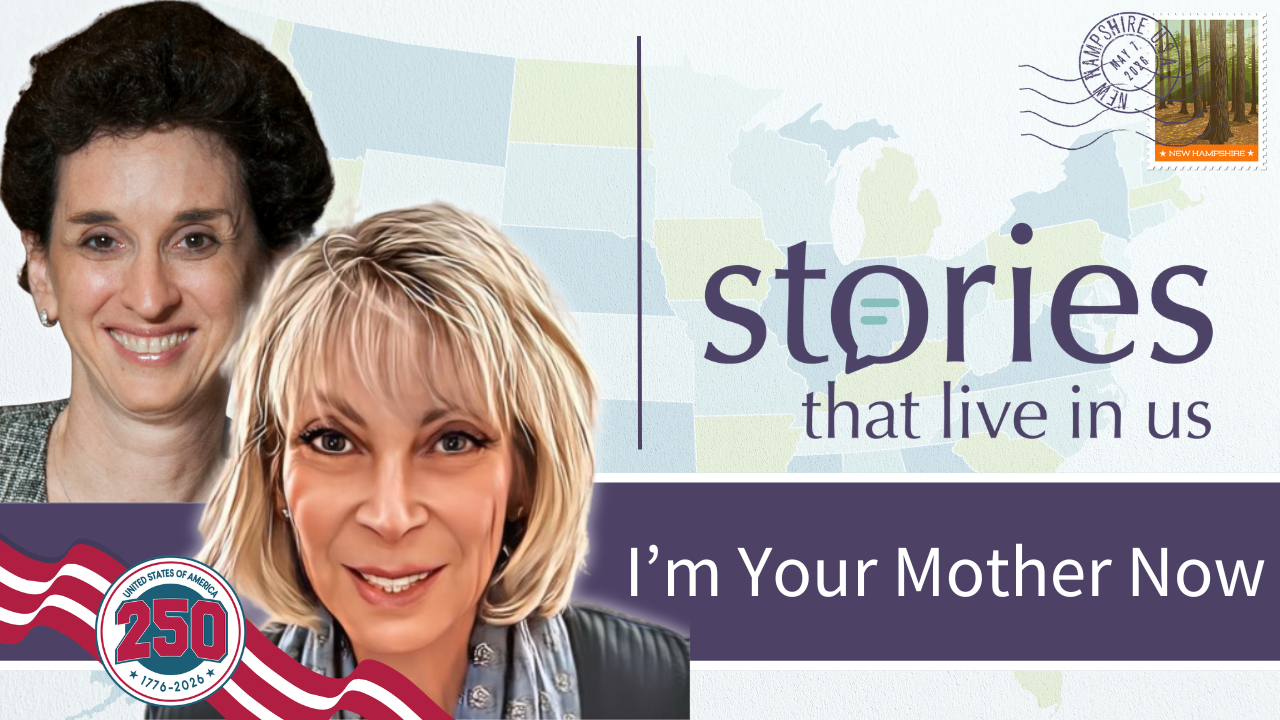
What if the family you're born into isn’t the only one that shapes you?
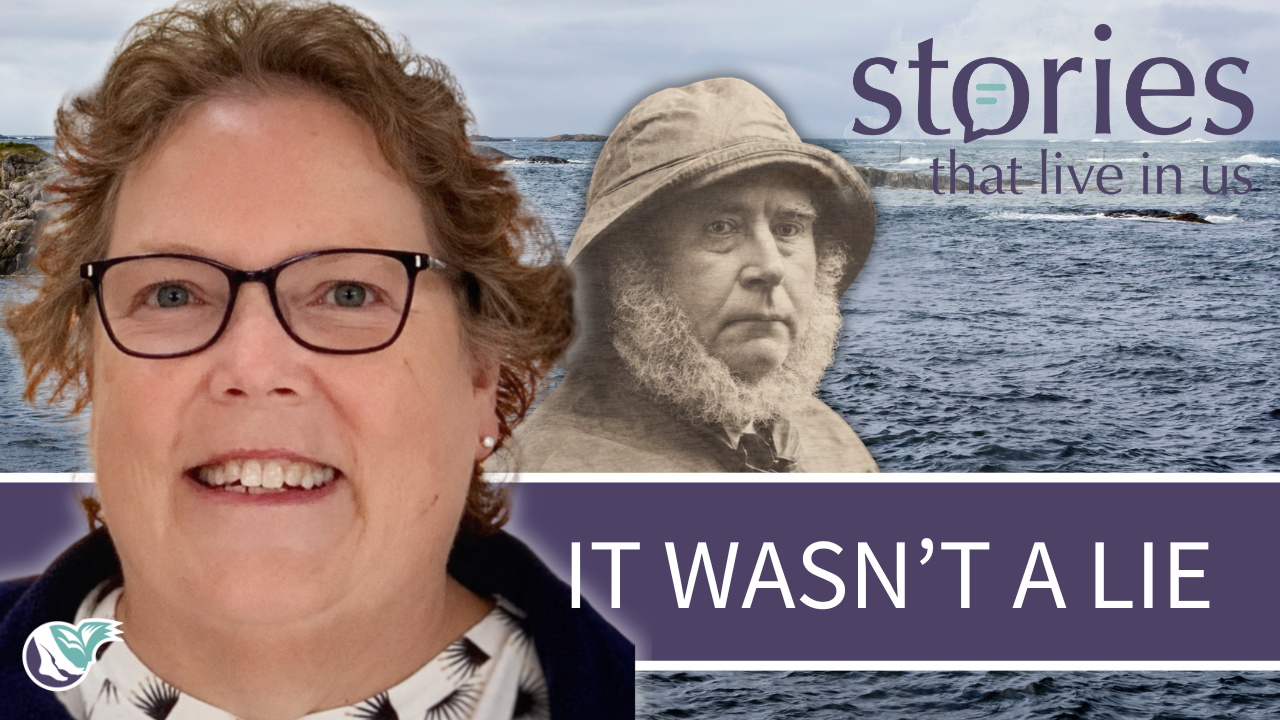
I've been thinking about that question ever since I sat down with Nancy Kotz and Lynne Snierson for this week's episode. And honestly? By the time we were done talking, I had a lump in my throat the size of a lobster roll.
You know I'm doing Season 2 as a countdown to America's 250th birthday — one story from each state, in reverse order of statehood. When I shared that plan with Nancy at the Jewish Genealogy Conference last summer, she immediately lit up. She told me about the oldest synagogue in the state of New Hampshire, about her family's summers on Lake Winnipesaukee, about two families who had been so intertwined for so long that sometimes they couldn't quite remember where the blood relation ended and the chosen family began.
So when I asked if she wanted to be on the podcast, she asked if she could bring her friend Lynne.
Her friend is an understatement. What you'll hear in this episode is something rarer and more beautiful than that.
Brothers in 47 Other Lifetimes
Here's the short version. (Though I promise the long version, the one you hear in the episode, is so much better.)
Lynne Snierson's grandfather stepped off a train in Laconia, New Hampshire in 1902. He may have missed his stop. He was a Lithuanian rabbi, newly arrived in America, and he didn't speak English. Laconia was not exactly a known destination for Jewish immigrants at the time. In fact, Lynne's grandparents are recognized as the first Jews north of Concord, New Hampshire.
They stayed anyway.
They built a life. They founded a synagogue (Temple B'nai Israel) that is still operating today. And Lynne's father, Bernie, grew up in that town, became a Harvard-educated attorney, practiced pro bono law for families who couldn't afford it, and became so beloved that when he died, they had to hold two separate memorial services because no single venue could hold everyone who wanted to come.
Nancy's grandfather, Morris Cohen, arrived in the region not long after. And when he and Bernie Snierson met, Lynne describes it as something like recognizing a brother from 47 other lifetimes. They were inseparable until the day Morris died.
Their families became one. Dinners around big tables on the lake. Fishing trips. Summers at camp. Children growing up together. And when Lynne lost her mother, Nancy's grandmother, Ida Cohen, pulled her aside during the shiva and said: "I'm your mother now. You may ask of me anything you would ever ask of your mother."
I’ve listened to them share that story three times now and I tear up every time.
The Whole Story
Laugh and cry along with me as you listen to Nancy and Lynne share their stories.
Prefer audio only? Click here to listen on your favorite podcast app.
🎧Listen to the full episode to discover:
- How Lynne's grandfather may have literally missed his train stop and ended up founding the first Jewish community north of Concord, New Hampshire
- The story of how Bernie Snierson and Morris Cohen recognized each other as soul brothers despite their wildly different backgrounds and education levels
- Why Lynne's father took a book to bed every night as a child, and what he was really trying to forget
- The synagogue in Laconia that still has the original brass nameplates of the founding families on the wooden pews
- The summer lobster bakes, the fishing trips, the boat rides across Lake Winnipesaukee to Wolfeboro for dinner — and why these memories matter more than we think
- How Nancy, as a genealogist, found her family's fingerprints all over the synagogue records, including a connection to one of her grandmother's dearest friends
The Power of One Story
At the end of our conversation, Nancy was talking about going back to Laconia in 2011 with her brother and their kids, pointing out all the places from their summers, smelling the boathouse (that still smelled exactly the same), taking the kids for cotton candy at Weirs Beach.
"I didn't grow up there like Lynne did but I feel like it's part of me."
That is what family history does. It gives you roots in places you didn't even know could belong to you.
And Lynne (who still lives in New Hampshire, by the way, and isn't going anywhere) shared that she went back to Temple B'nai Israel for Friday night services two summers ago. She hadn’t been there since she was a teenager. She got there early and walked through the sanctuary alone, reading every brass nameplate on every pew. All the original families. All the names she grew up with.
She said the memories just flooded back.
That's what family history does. Those chosen family members don’t just disappear because time passes or people move or the world changes. It stays, somehow, in the nameplates and the boathouses and the stories you can still recite word for word decades later.
Your Story
The Snierson family and Kotz family connection may have started with a happy accident. But, the continued connection was built deliberately, consistently, over generations, through showing up, through shared meals, through choosing to claim each other even when biology didn't require it.
You probably have a "chosen family" story somewhere in your tree too. A neighbor who became a grandmother. A mentor who became a family elder. A religious community that shaped your parents or grandparents in ways that trickled down to you, even if you never knew their names.
Those stories are worth finding. And once you find them, they're worth preserving and sharing.
Story Seeds 🌱
Plant these conversation starters and watch your family stories grow.
- For parents or grandparents: "Growing up, were there families outside of our relatives who felt like family to you? Who were they, and what did they mean to you?"
- For older relatives: "Was there ever a person — a neighbor, a friend's parent, a community elder — who stepped in for you when you needed it most? What did they do, and did you ever get to tell them what it meant?"
- For anyone in your family: "Did your parents or grandparents have a community — a congregation, a neighborhood, a social group — that shaped who they became? What do you know about it? Who else was part of it?"
- For yourself: "Is there someone in my life right now who functions as chosen family for myself or my children? How did that relationship start, and have I ever told them what they mean to me?"
Story Sparks 🔑
Unlock your family's hidden stories with these research techniques.
- Search for your family in community and organizational records. Lynne's grandfather founded a synagogue that still exists and Nancy found her family's names in its records. Think about the communities your ancestors were part of: churches, synagogues, social clubs, fraternal organizations, neighborhood associations. Many of these groups kept detailed membership records, published newsletters, and maintained archives. Search for your family name in combination with those organization names on Ancestry, Newspapers, Google, and local historical society databases.
- Look for your ancestors in local newspaper archives. Nancy found her grandfather's store opening featured in the Laconia newspaper's historical flashback column. Newspapers documented business openings, community involvement, weddings, funerals, and ordinary moments of local life in ways that no other record type captures. Explore Newspapers.com, searching your ancestor's full name in quotes and filtering by location and date range to see what comes up.
- Search for memorial and eulogy records. Nancy has a copy of the eulogy delivered at her grandfather’s funeral by Lynne’s father. She reread it the night before our interview. Eulogies, memorial booklets, and obituaries often contain the most personal and detailed accounts of who a person truly was. Ask around the family to find out who delivered the eulogy for your relatives. Did they keep a written copy? Or better yet, is there an audio or video recording of it?
Join Me Every Thursday
We’re in the final stretch of our “50 stories from 50 states” season celebrating America's 250th birthday. And every single episode is a reminder of the connections that are possible when ordinary people choose to show up for one another.
📲 Subscribe to Stories That Live In Us wherever you listen to podcasts.
⭐ Leave a rating and review — it truly helps more people find these stories.
📌 Share this episode with someone who needs a reminder that family is more than biology.
And if you have a story — from anywhere, from any background — I want to hear it. We are starting to plan out our episodes for season three. Follow me on social media (links at the top of the page) and DM me there to tell me what stories are living in your family tree.
© 2026 Crista Cowan. All rights reserved.