What Really Brings People Back to Faith: Flipping the Script on Family Divides
Oct 22, 2026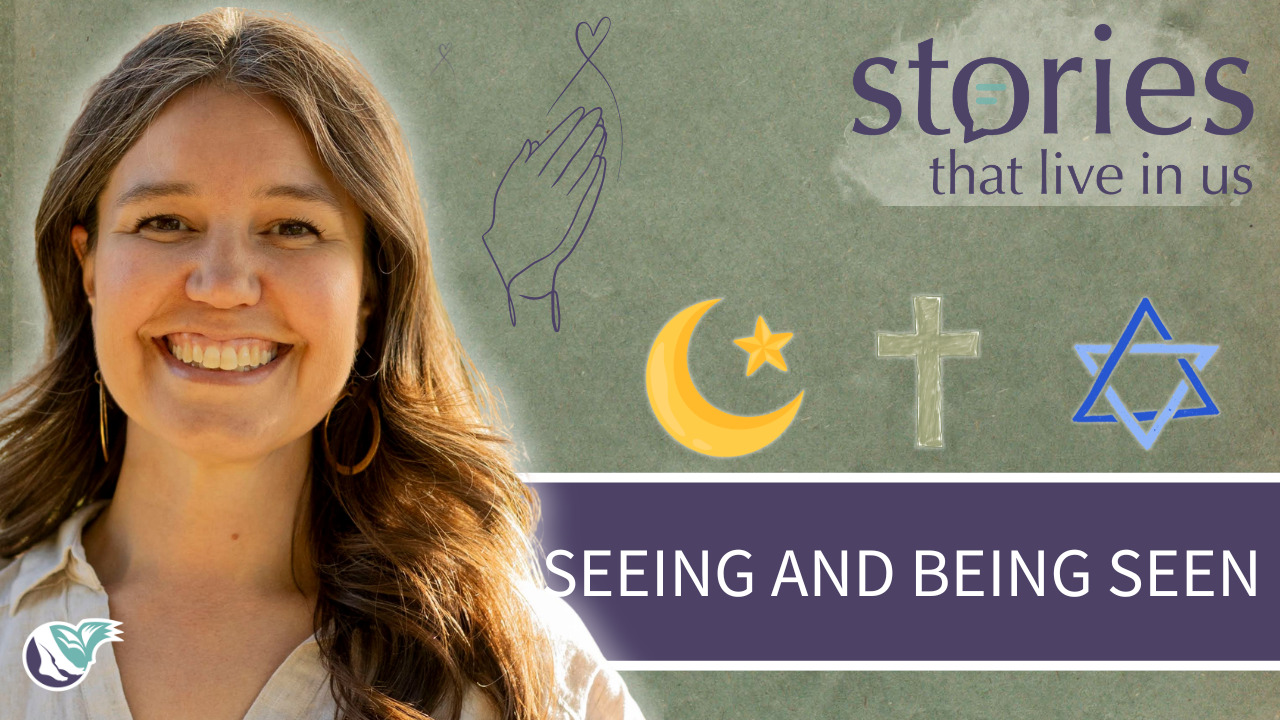
How many times have you sat across the table from someone you love—maybe a grown child, a grandchild, or a sibling who sees the world completely differently than you do—and felt an aching gulf between you?
In those moments, our human instinct is to defend what we hold sacred. We scramble to explain ourselves, hoping that if we just find the right words, they will finally understand where we’re coming from. But what happens if we flip the script completely? What if, instead of asking them to see our point of view, we look them in the eye and say, "I want to see you. Tell me your story"?
This week on Stories That Live In Us, I sat down with playwright and Brigham Young University theatre professor Shelley Graham. Alongside her co-creator Alexandra Mackenzie Johns, Shelley took more than a hundred raw, vulnerable interviews about religious doubt, struggle, and reconciliation and wove them into an extraordinary verbatim stage production called All the Beautiful Things.
What she uncovered about the sacred power of listening and what actually brings people back to faith might completely transform how you approach hard conversations in your family.
The Whole Story
Watch the full conversation with Shelley Graham here:
Prefer audio only? Click here to listen on your favorite podcast app.
Key Moments & Highlights
- 00:00 – Flipping the Script on Family Conversations
- 18:38 – The Art of the Gentle Oral History Interview
- 26:54 – What the Research Shows About Returning to Faith
- 39:30 – Grammy Abby: When a Great-Grandmother’s Words Take the Stage
When Stories Step Onto the Stage
Shelley’s project began when Dr. Jessica Zurcher, a communications researcher at BYU, noticed something striking in academic literature. While plenty of studies examined why people walk away from religion, almost nobody was asking why people choose to return. Dr. Zurcher published her findings in the journal Pastoral Psychology, but she didn't want those real voices locked away in academic libraries. She wanted them to breathe.
That’s where verbatim theatre came in.
Unlike traditional plays where a writer invents dialogue, verbatim theatre builds an entire script directly from real, first-person spoken words. As Shelley explained:
"You take direct words from people, either from interviews, or newspaper articles... first-person stories. And through careful, ethical, and creative editing, weave those stories, or tell one story, using almost completely just the words."
Shelley and her students spent semesters gathering interviews that ranged from 30 minutes to four hours long. They talked with people from diverse traditions: Muslim, Jewish, Catholic, Evangelical, Born-Again, non-denominational, and Latter-day Saint. They sat in rooms piled high with transcripts, literally cutting pieces of paper and rearranging them across tables to find the harmonies between seemingly different lives.
When you put an orthodox Jewish rabbi’s struggle with suffering side by side with a young LDS military man's battlefield trauma, the artificial walls we build between traditions melt away. You realize we are all asking the exact same questions about pain, belonging, and love.
What Actually Brings People Back?
When a child or loved one steps away from faith, families often turn into debate teams. We think people return because of flawless theological arguments or because someone proved a point.
The research revealed the exact opposite.
When I asked Shelley what common thread pulled people back across every religious tradition, she didn't hesitate:
"The thing that brings us back to faith is a rediscovery or a reconnection to God's love. When you can feel God's love for you, when you seek that connection, He reaches out, He comes. We talk about often in rehearsal and in the dedication of the script the words of Elder Patrick Kearon, that God is in relentless pursuit of you."
People didn't come back because someone backed them into an intellectual corner. They came back when anger was replaced by peace, and when they experienced God reaching through their darkest moments.
One woman represented in the production shared that as she drove home one afternoon, she looked around at the world, feeling the weight of her pain finally lift. In that moment, she felt connected not just to God, but to people, to trees, to butterflies—to all the beautiful things.
Grammy Abby: The Living Proof of Family Stories
Near the end of our conversation, Shelley shared a moment that had both of us in tears.
During the oral history project, one of Shelley’s college students decided to interview her own living great-grandmother. That interview made it into the final script, and the student was cast to play her own great-grandmother on stage.
They gave her the stage name "Grammy Abby."
On opening weekend at BYU’s Studio Theatre, 90-something Grammy Abby flew all the way from New Hampshire to sit in the audience. She watched her great-granddaughter step up on stage and speak her exact words. When the production ended, the cast acknowledged Grammy Abby sitting in the crowd, and an entire auditorium rose to their feet in a thunderous standing ovation for a woman who had simply lived her life and shared her heart.
That is the power of oral history. Our ancestors aren't just names on pedigree charts; they are living, breathing chapters of our own identity.
Behind the Record: Conducting Gentle Oral History
If you want to capture the stories of your living family members—especially the chapters that touch on vulnerability, doubt, or difficult transitions—Shelley offered three essential guidelines:
1. Master the "Soft Start"
Never launch an interview by demanding someone’s hardest story. If you sit down with a parent and say, "Tell me about your faith crisis," their defenses will immediately lock into place. Start with safe ground: bedtime memories, silly songs their parents made up, or what their neighborhood looked like growing up. Build comfort before inviting them to step into deeper waters.
2. Practice Active, Unfiltered Presence
A sterile interview feels like an interrogation. You don't have to erase yourself completely, but your presence should be an offering of safety:
- Nod, lean in, and maintain eye contact.
- Offer tiny verbal acknowledgments that say, "I am right here with you."
- When they share something surprising, avoid steering the conversation back to your agenda. Simply ask: "Tell me more about that. What did that feel like?"
3. Hold Space as a Sacred Witness
When someone shares their pain or shifting beliefs, fight the urge to fix it, correct their memory, or comfort yourself. Listening without an agenda is an act of love. As Shelley noted, holding space gives someone the rare gift of feeling completely seen and heard without fear of judgment.
Story Seeds 🌱
Use one (or all!) of these conversation starters at your next Sunday dinner or family gathering and watch connection grow across generations.
- The Childhood Soundtrack: "What was a silly song, made-up story, or phrase our parents or grandparents repeated when you were little?"
- The Moments of Wonder: "Think back to a time when you were outside in nature and felt an overwhelming sense of peace. Where were you, and what did you notice?"
- The Unseen Chapters: "If you could ask our ancestors about one difficult choice they had to make, whose story would you want to hear most?"
- The Ocean Prompt: "What is the very first memory that surfaces when you hear the word ocean?"
Story Sparks 🔑
Ready to dig deeper into your own family history this week? Here are three practical steps to turn facts into connections.
- Record a 15-Minute "Soft Start" Audio Clip: Sit down with a relative (or hop on a phone call) and ask them just one simple question about family games, childhood holidays, or favorite meals. Let the conversation meander naturally.
- Transcribe a Voice Memo Verbatim: Take a 3-minute recording of a loved one speaking and type it out word-for-word, including the pauses, laughter, and repeated phrases. Notice how much personality lives inside their actual speech patterns.
- Write Down Your "One Word" Story: Take our segment prompt—Ocean—and write down 200 words about your own personal memory. File it away where your children and grandchildren can read it one day.
Keeping the Door Open
At the end of the day, family history isn't about proving our ancestors were perfect or making sure our kids duplicate every single one of our choices. It’s about building a home where everyone belongs and where deep connection is nurtured.
When we stop defending and start listening, we make room for the truth: that God is in relentless pursuit of the people we love, and that there are multiple, beautiful ways back to connection with Him and with each other.
If you want weekly reflections on family connection, gentle storytelling prompts, and behind-the-scenes thoughts on finding the stories that live in you, sign up for my weekly newsletter, Sunday Stories with Crista, at cristacowan.com.
© 2026 Crista Cowan. All rights reserved.