Wisconsin: Great Grandmothers and the Great Migration
Dec 11, 2025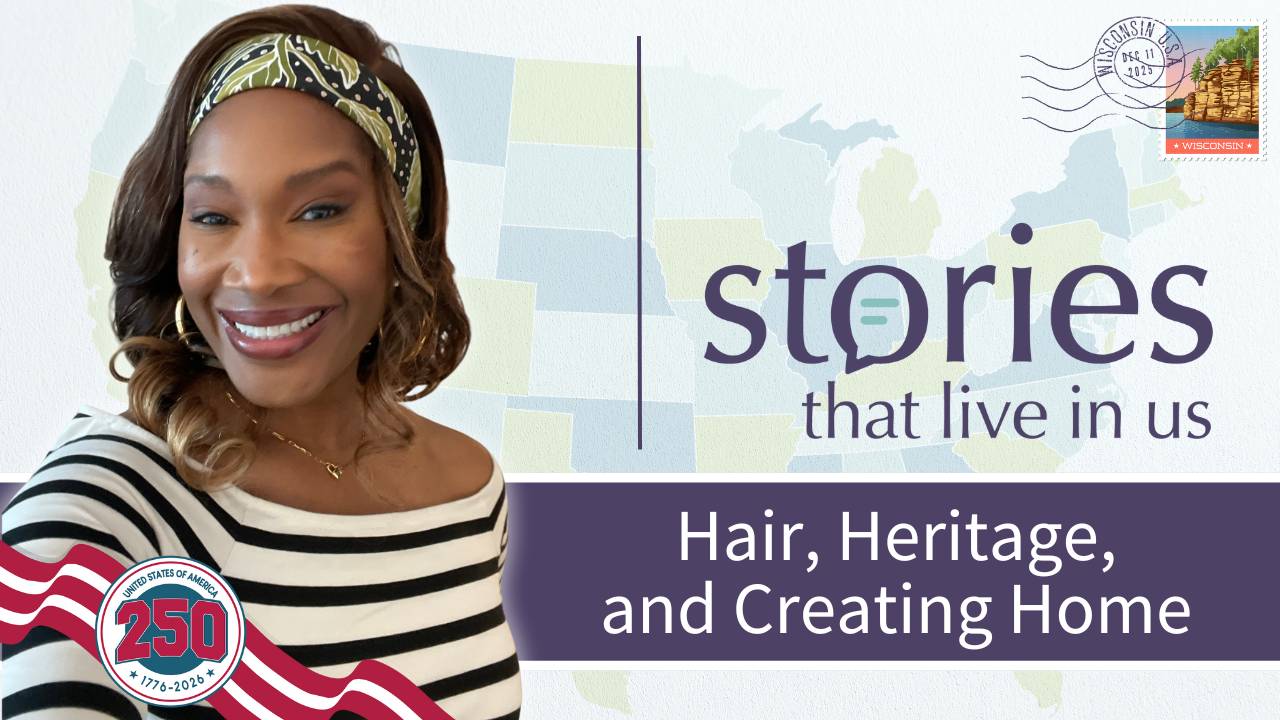
Have you ever witnessed a moment so tender, so layered with meaning, that it changed how you understood your entire family? What if that single moment held within it generations of love, resilience, and cultural identity?
For Dani Allen, Senior Director of Talent Acquisition at Ancestry, that moment came in eighth grade during a trip to Florida. As Dani watched her grandmother Ruthie gently wash, comb, and braid her own mother’s long silver hair, she witnessed more than a simple act of care. She saw a ritual passed down through generations of Black women. A sacred connection that transcended words and linked past, present, and future.
A Family Forged by Migration
Dani's family story is woven into one of the most significant population movements in American history: the Great Migration. From 1910 to 1970, nearly six million African Americans left the oppressive conditions of the Jim Crow South, seeking economic opportunity and a chance at a better life in northern and western cities. Her family's journey took them from the Deep South—Florida, Alabama, and Tennessee—ultimately to Milwaukee, Wisconsin, where they hoped to find work in the booming auto industry.
But the path wasn't easy. Her grandfather, a World War II veteran, left Tennessee with little more than the clothes on his back and dreams of providing for his growing family. Like thousands of others, he traveled north in search of work, eventually landing a job at A.O. Smith Company in Milwaukee, which manufactured automobile parts. The promise of steady employment came with its own challenges—segregated neighborhoods, unequal pay, and the struggle to maintain connections with family left behind.
"Had they not done that, I mean, totally different experience, right? Like totally different life. But they were one of thousands of people that loaded up whatever they could. A lot of them came with very few items... It was literally the clothes on your back at some times."
The Stories We Whisper
The toll of that time led to some troubling family stories, whispered when adults thought child ears weren’t listening. One story in particular seemed unbelievable, yet Dani’s mother remembered being suddenly taken to stay with her Aunt Nellie for three months as a four-year-old so there must be some truth to it.
The whispers remained just that until Dani came to work at Ancestry. A colleague found a newspaper clipping that confirmed the story. The discovery didn't just validate a family rumor; it gave context to her grandmother Ruthie's life, her resilience, and the difficult choices she made to protect and provide for her children.
The Crown We Carry
Dani’s eighth-grade memory of Ruthie washing her mother’s hair holds profound cultural significance. For Black women, hair is more than just hair. It’s identity, heritage, and connection.
"Our hair is our crown. It is a part of our identity... It's in the caring for and knowing how to care for our hair that we pass those things down to our children. And the ritual of hair wash day is a big deal."
Dani's great-grandmother washing and braiding her daughter's hair. Her grandmother doing the same for Dani's mother. Dani continuing the tradition with her own daughter, now 22. This isn't just a beauty routine. This is restoration, respite, and sacred connection passed from grandmother to granddaughter across generations.
Even today, Dani's daughter will ask, "Mom, can you wash my hair?" And it’s not because she needs help, but because she craves that moment of closeness, that tangible link to the women who came before.
The Whole Story
Hear Dani's complete journey as she shares her family's migration north, the newspaper clipping that confirmed family whispers, and how her 90-year-old grandmother is embracing technology to keep their family deeply connected.
Prefer audio only? Click here to listen on your favorite podcast app.
🎧 Listen to the full episode to discover:
- How the Great Migration transformed Dani's family and millions of others
- The newspaper clipping that finally confirmed a whispered family tragedy
- Why hair care rituals carry such profound meaning for Black women
- The story of Aunt Nellie, who achieved remarkable success and owned a home that once belonged to a Milwaukee beer baron
- How Dani's great-grandmother's blue eyes hint at a complex family heritage
- The weekly Zoom calls with her 90-year-old grandmother that continue to uncover new family stories
- How Dani is ensuring her two-year-old granddaughter knows the resilient women whose strength flows through her veins
The Power of One Story
Dani's story reminds us that family history lives in both the documents we discover and the traditions we maintain. The newspaper clipping that confirmed her grandmother's shooting gave context to family whispers. But it's the ongoing ritual of hair washing, the weekly Zoom calls with her grandmother, and the FaceTime sessions with her granddaughter that keep those stories alive and meaningful.
The Great Migration wasn't just about geographical movement. It was about families like Dani's making impossible choices, leaving behind everything familiar in search of opportunity and safety. Her grandfather's journey from Tennessee to Wisconsin mirrors millions of stories of courage, sacrifice, and hope.
Your Story
Think about the rituals and traditions that have been passed down in your family. What seemingly simple acts carry deeper meaning? Are there whispered stories that need confirmation or context? Consider how your ancestors' decisions—where they moved, what they sacrificed—created the life you live today.
Story Seeds 🌱
Plant these conversation starters and watch your family stories grow.
- For Grandparents: What traditions did your mother or grandmother teach you that you hope will continue in our family? Is there a special ritual or practice that connected you to your own grandmother?
- For Parents: What moments with your own parents or grandparents felt sacred or meaningful to you as a child? How have you tried to recreate those moments with your own children?
- For Aunts/Uncles: Are there any family stories that were whispered rather than openly discussed when you were growing up? What did you eventually learn was true, and what remained a mystery?
- For Siblings: What family traditions or rituals do you remember most fondly from our childhood? Which ones do you want to make sure continue with the next generation?
Story Sparks 🔑
Unlock your family's hidden stories with these research techniques.
- Search Newspapers.com for family tragedies or conflicts. Events that families whispered about often made the local news. Try searching for your ancestors' names combined with words like "shooting," "arrest," "accident," or "hospital" in the location where they lived. These stories, while sometimes painful, provide important context for understanding your family's journey.
- Map your family's migration patterns on Ancestry. Use the map feature (available to Ancestry Pro Tools users) to visualize where each generation lived. Look for patterns of migration. Understanding migration patterns helps you comprehend the larger forces that shaped your family's decisions.
- Create a custom MyTreeTag for "Great Migration" or other significant population movements. Tag ancestors who participated in major migrations, whether that's the Great Migration, immigration from Europe, movement west during the Gold Rush, or any other mass movement. This helps you see the context of larger historical events and where they appear. And it can find possible places of intersections between disparate branches of your family tree.
- Explore census records before and after a major move. Compare the 1930 and 1940 census records for families who migrated north. Look at occupation changes, property ownership, and who they lived near. These details reveal how migration impacted economic opportunities and whether families maintained community connections in their new homes.
Nurturing Connections Across Generations
Perhaps the most beautiful part of Dani's story is how she's actively maintaining intergenerational connections. Her weekly two-hour Zoom calls with her 90-year-old grandmother aren't just nice. They're vital. Each conversation uncovers new stories, validates old memories, and creates a living bridge between a great-great-grandmother and her two-year-old great-great-granddaughter.
Dani's grandmother still asks, "So what'd you find for me today?" before diving into stories about growing up in a German settlement in Missouri, her grandfather's fight with a plantation foreman that sent him north, and the wealthy life he built on over a hundred acres of Missouri farmland.
These aren't just stories for Dani. They're the legacy she's passing to her children and granddaughter. And technology makes it possible in ways previous generations never imagined.
Ready to discover your family's migration story? Subscribe to Stories That Live In Us wherever you get your podcasts. And if this episode touched your heart, please leave us a rating and review—it helps other family story seekers find us.
© 2025 Crista Cowan. All rights reserved.